How to Choose Tiles for Your Home
Choosing tiles for your home can be a daunting task. With countless options available, it's easy to feel overwhelmed.
However, the right tile selection can transform your space. It can enhance the look, functionality, and even the value of your home.

Here at Varcurn in Cornwall, we have decades of experience in helping people to choose the perfect kitchen, living room and bathroom tiles. This guide aims to simplify the process. It provides practical advice on how to choose tiles for your home.
We'll delve into the different types of tiles available. We'll discuss their suitability for various areas in your home, such as the kitchen and bathroom.
We'll explore tile design ideas, considering factors like size, shape, colour, and texture. We'll also discuss the importance of tile durability and hardness, especially for high-traffic areas.
We'll touch on budget considerations and how to measure your space accurately to determine the quantity of tiles needed.
By the end of this guide, you'll be equipped with the knowledge to make an informed tile selection. One that balances aesthetics, functionality, and budget.
So, let's embark on this journey to find the perfect tiles for your home.
Understanding Tile Types and Materials
Selecting tiles starts with understanding the different types. Tiles come in various materials, each with unique properties.
Ceramic tiles are popular for their affordability and versatility. They're a great choice for both walls and floors in low-traffic areas.
Porcelain tiles are denser and more durable than ceramic. They resist moisture and stains, making them excellent as kitchen or bathroom tiles.
Natural stone tiles, like marble and granite, offer luxurious looks. They can sometimes cost a little more, and need slightly more frequent cleaning, but are often preferred for a high-end finish.
Here's a quick summary of our preferred tile types:
- Ceramic: Versatile and affordable for low-traffic areas.
- Porcelain: Denser, great for high humidity.
- Natural Stone: Luxurious but requires maintenance.
Tile Designs & Finishes
Consider mosaic tiles for creating intricate designs. They are small and can form patterns on backsplashes or floors.
Tiles can have different finishes like matte, gloss, or satin. Each finish contributes differently to the room's ambiance.
A matte finish provides a subdued elegance. Glossy tiles reflect more light, ideal for creating a brighter space.
Satin-finish tiles strike a balance between matte and glossy. They're smooth but do not overwhelm with shine.
Understanding these materials ensures you choose the best tile type for each area in your home. This knowledge sets the foundation for a stunning and practical tile installation.
Assessing Tile Durability and Hardness
Durability is a crucial factor when choosing tiles. It determines how well they withstand daily wear and tear.
Bathroom tiles, while not exposed to heavy foot traffic, require moisture and stain resistance. Porcelain and ceramic tiles are excellent choices.
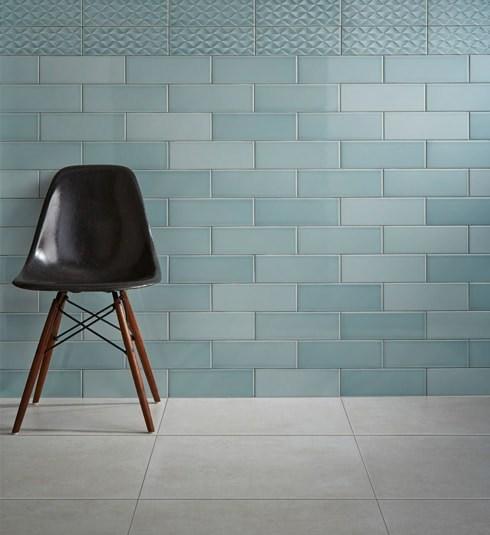
In living rooms, style meets function. Choose tiles based on both their durability and design appeal. Porcelain tiles strike this balance well.
If selecting natural stone, understand its unique features. While marble is elegant, it’s less scratch-resistant than granite.
Consider slip resistance as well. In wet areas, ensure bathroom or kitchen tiles provide a safe, non-slippery surface.
Assessing these factors guarantees your tiles remain beautiful and functional for years. Properly durable tiles will enhance your home's value and comfort.
Considering Tile Size, Shape, and Layout
Tile size significantly affects the room's look and feel. Larger tiles can make spaces appear bigger. They're ideal for open-plan areas and living rooms.
Smaller tiles work well in bathrooms and kitchens. They offer more grout lines and grip, making them safer for wet areas.
Shapes and patterns can add interest. Hexagonal or herringbone layouts create unique focal points. Visual interest elevates any simple decor.
Room size influences tile size choice. Large tiles in small bathrooms can make the space feel more seamless. However, too large a tile in a tiny room might look overwhelming.
Consider the tile layout. Straight, linear layouts provide a classic look. Meanwhile, diagonal layouts can make a narrow room seem wider.
Mixing different tile sizes or shapes adds a custom touch. This approach creates a stunning feature wall or backsplash.
Tile orientation matters, too. Horizontal layouts widen a room. Vertical patterns heighten low ceilings.
Think about grout width. Narrow grout lines lend a modern appearance. Wider lines can accentuate the tile shape and pattern.
Tile size impacts installation ease and cost. Larger tiles reduce grout use and installation time. However, they may require additional cutting.
Remember these considerations when choosing. A well-thought layout enhances both functionality and design.
Keep these elements in mind:
- Room size and purpose
- Desired style and ambiance
- Installation complexity
Selecting the right size, shape, and layout tailors your space beautifully. Make the most of your home’s potential with carefully chosen tiles.
The Impact of Colour and Texture on Ambiance
Tile colour dramatically shapes a room's mood. Light-coloured tiles make spaces feel airy and larger. They're perfect for kitchens and bathrooms needing a fresh look.
Dark tiles create intimacy. They work well in cozy bedrooms or formal dining areas. But balance is key; too much darkness can be overwhelming.
Neutral shades offer versatility. They allow flexibility with decor changes. It's a timeless choice that suits various styles and tastes.
Bold colours can be striking. A vibrant red or blue tile can serve as an accent, drawing the eye instantly. Use sparingly to create focal points.
Textures also add depth to your tiles. Smooth, glossy tiles can reflect light, enhancing brightness. They're often used in modern and minimalist spaces.
Meanwhile, matte and textured tiles bring warmth. They’re ideal for rustic or traditional settings. Textures can add tactile interest without overpowering the room.
Consider slip resistance when selecting texture. Highly polished tiles might be slippery in wet areas, requiring cautious placement.
Combining different textures can create dynamic spaces. Pair smooth tiles with rough ones for a balanced, visually intriguing design.
Colour, paired with texture, defines a room's atmosphere. Choices should reflect personal style but consider the room's function.
Ultimately, the right colour and texture can transform any space. They set the tone for everything that follows.
Slip Resistance and Safety in Kitchens and Bathrooms
Slip resistance is crucial in kitchen and bathroom tiles. These areas are prone to spills and moisture, making safety a top priority.
Look for tiles with high friction.
Textured tiles often provide better grip. They reduce the risk of slipping. Consider them for areas that frequently get wet.
Matte finishes can also enhance safety. Unlike glossy tiles, they offer a better grip underfoot. Choose matte for peace of mind in wet zones.
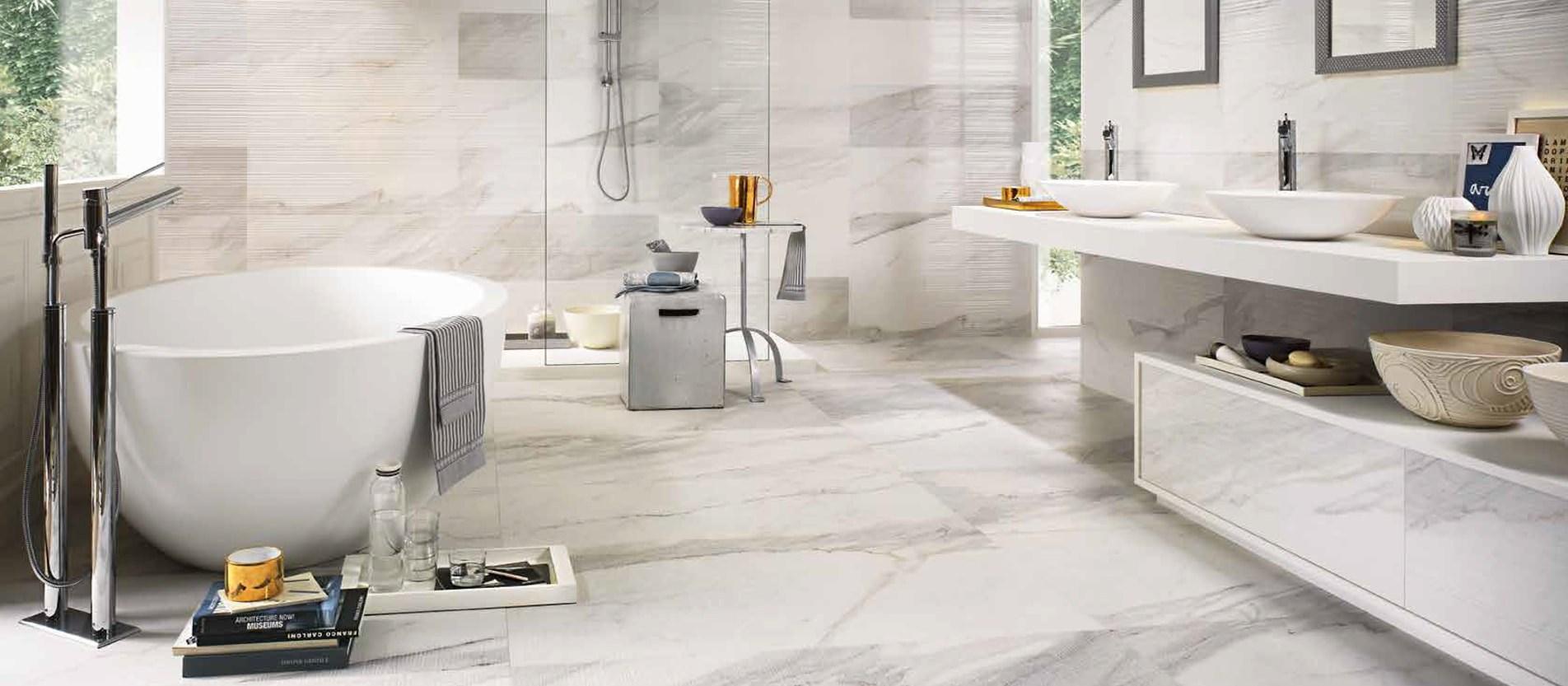
Even with slip-resistant tiles, maintenance is key. Clean surfaces regularly to remove soap or oil build-up. This helps maintain their anti-slip properties.
Placement matters as well. Strategically place non-slip tiles in high-traffic wet areas. Think shower floors and near kitchen sinks.
Consider using rugs or mats for additional safety. However, ensure they have non-slip backings. This prevents them from becoming hazards themselves.
Finally, safety should never compromise style. Today’s slip-resistant tiles come in various designs. They ensure your home is both beautiful and secure.
Grout Selection and Maintenance
Grout plays a vital role in tile installations. It binds tiles together, filling gaps and providing strength. The right grout colour can complement or contrast your tiles.
Choose a contrasting grout to highlight tile patterns. This creates a visual impact. For a seamless look, match grout colour closely with your tiles.
Grout maintenance is crucial for lasting appeal. Regular cleaning prevents staining and discolouration. Use gentle cleaners to preserve its original hue.
Consider sealing your grout. Sealants provide a protective barrier. This reduces moisture penetration and inhibits mildew growth.
Grout width affects aesthetics and maintenance. Narrow grout lines offer a modern appearance. However, wider lines are often easier to clean.
Grout quality varies. Choose a durable, high-quality product. This ensures longevity and reduces the need for frequent repairs.
Epoxy grout is a robust option. It resists stains and moisture better than cement-based grout. Although more expensive, it offers long-term benefits.
Finally, don't underestimate grout's impact. It influences the overall look of tiled spaces. Thoughtful selection and care make a noticeable difference.
Balancing Style with Functionality
When choosing tiles, style often comes to mind first. Beautiful tiles can define a space. However, functionality is equally important.
Consider the room's use. Different areas have distinct demands. For instance, bathroom tiles must handle water exposure.
Focus on practical elements like slip resistance. Safety should never be compromised for style. Particularly in a bathroom or kitchen.

Think about the room's traffic. High-traffic areas need durable, hard-wearing tiles. Otherwise, you'll face frequent replacements.
Tile size and layout also matter. Large tiles can make small spaces seem bigger. This choice impacts both aesthetics and usability.
Texture plays a role too. Glossy surfaces might look sleek. Yet, they can be slippery, requiring more careful choice.
Balance extends to design trends. Trendy choices might date a space quickly. Opt for timeless styles with lasting appeal.
Choose tiles that complement your home's architecture. Harmony between tiles and your home's design creates a unified look.
Prioritise ease of maintenance. Some textured or patterned tiles disguise dirt well. They're practical for busy households.
Ultimately, the key is balance. Blend beauty with durability. This ensures both visual appeal and everyday practicality.
Budgeting and Cost Considerations
When choosing tiles, budget plays a crucial role. It's essential to balance quality and cost. Planning ahead saves surprises later.
Start by researching various tile options. Prices vary widely based on material and design. Natural stones often cost more than ceramics.
Consider long-term value and durability. Sometimes spending more upfront saves money over time. Quality tiles reduce future repairs.
Factor in installation costs. Professional installation ensures durability and precision. DIY might reduce initial costs but can lead to errors.
Remember additional materials like grout and adhesive. These are necessary expenses. They add to the total cost of the project.
Beware of unexpected expenses like waste. Always order extra tiles to cover cuts and mistakes. This prevents delays if you run short.
Compare prices from multiple suppliers. Sometimes, discounts are available for larger orders. Always check warranties included with your purchase.
Budgeting is not just about the initial expense. Consider maintenance costs over time. Durable tiles require less frequent replacement, offering savings in the long run.
Measuring and Calculating Tile Quantity
Accurate measurement of your space is essential. Begin by measuring the length and width of your area in feet or meters.
Calculate the total square footage by multiplying length by width. This gives a basic estimate of the tile needed.
Always account for extra tiles. Allow an additional 10-15% for cuts and unforeseen errors. This helps prevent shortages.
Consider the tile layout. Complex designs or diagonals require more tiles. Plan accordingly to ensure coverage.
Remember to include tiles for edging and trimming. This completes the look and must be factored into your total quantity.
The Role of Lighting in Tile Design
Lighting plays a crucial role in highlighting tile features. Natural and artificial light affect the tile's colour and texture.
Consider the light sources in your space. Bright light may alter the appearance of your tiles drastically.
Tiles with glossy finishes reflect more light, making a room appear brighter. Matte tiles absorb light, creating a softer look.
Test tile samples under your home's lighting conditions. This ensures you see the true colour and effect.
Plan your lighting design in advance. This helps to enhance and showcase your chosen tiles most effectively.
Mixing and Matching Tiles for a Bespoke Look
Creating a bespoke look with tiles involves creativity and thoughtful planning. Mixing different styles can achieve a personalised and unique design.
Consider combining tiles of various materials. This adds depth and interest to your spaces.
Using different colours and patterns can highlight specific areas. Accent tiles provide focal points that draw the eye.
Balance is key when mixing tiles. Make sure combinations complement rather than clash. Test samples side by side to find harmony.
Think about the size and shape of tiles when mixing. Small mosaics can offset larger tiles beautifully, creating a dynamic appearance.
Don't be afraid to experiment with grout colours as well. This can enhance the distinction between different types of tiles.
Mixing tiles allows you to express personal style. It offers a way to create a truly one-of-a-kind space.
Consulting with a professional can help refine your vision. They can suggest combinations that fit your aesthetic and functional needs.
The Benefits of Viewing Tiles in Person
Seeing tiles in person is crucial before making a final choice. Online images often don't capture true colour and texture.
Natural lighting in your home affects how tiles look. Viewing them in your space helps in making accurate decisions.
Touching the tiles lets you feel the texture. This sense of touch can affect your choice significantly.
Observe tiles under different lighting conditions. This ensures you like how they appear at various times of day.
Tile showrooms provide a wealth of inspiration. They offer samples that let you experiment with potential designs at home.
Professional Installation vs DIY Tiling
Deciding between professional installation and DIY tiling depends on your skills and time availability. Both approaches have their pros and cons.
Professional installation ensures precision and high-quality results. Experienced installers bring a wealth of knowledge to the project.

Hiring professionals can save time, especially on larger projects. They have the tools and expertise to handle complex tasks.
DIY tiling offers greater control over the process. You can work at your own pace and make instant adjustments.
Tiling yourself can be cost-effective if you have the necessary skills. It eliminates labour costs of course.
However, DIY projects may increase the chance of errors. Mistakes could lead to additional costs for fixing them.
Consider the complexity of your tiling project. Intricate patterns and layouts might benefit more from professional expertise.
Ultimately, weigh the benefits of time, cost, and quality. This will help you decide which approach suits your needs.
Maintenance and Long-Term Care of Tiles
Tile maintenance is crucial for preserving their beauty and lifespan. Regular care is essential.
Start by sweeping or vacuuming tiles to remove dirt. This prevents scratches from forming on the surface.
Mopping with a mild detergent helps maintain cleanliness. Avoid using harsh chemicals that could damage the finish.
For stains, use a gentle, non-abrasive cleaner. Always test it on a small area first.
Grout requires specific attention as it attracts dirt. Use a soft brush and grout cleaner for periodic cleaning.
Sealing grout can prevent dirt and moisture buildup. Reapply sealant annually for added protection.
Regular inspection of tiles for cracks is advised. This allows early repair, preventing further damage.
Consistent maintenance ensures tiles remain vibrant and durable. A little effort goes a long way in long-term care.
Conclusion: Making Your Final Tile Selection
Choosing the perfect tiles involves several thoughtful steps. It's a balance of style, function, and budget.
Consider all aspects, from material and size to colour and texture. Each element impacts the final ambiance.
Rely on in-person visits to tile showrooms. This will give you a true sense of colour and texture.
Consult with professionals if needed. Their guidance can be invaluable in making informed decisions.
Ultimately, select tiles that reflect your personal taste and meet your home's needs. Your choice should bring satisfaction for years to come.
Can we help you? Contact us here at Varcurn in Cornwall for advice on choosing the perfect tiles for your bathroom, kitchen or living spaces.